The pros and cons of using fintech lending platforms.
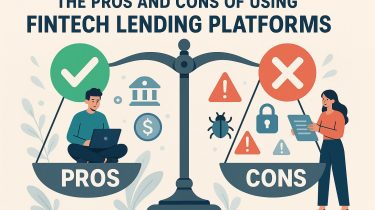
The Rise of Fintech Lending Platforms
Fintech lending platforms have ushered in a transformative change within the global financial landscape by offering an alternative to conventional banking systems. Harnessing the power of technology, these platforms have significantly simplified the borrowing process, rendering it more accessible to a large and diverse audience. As we delve deeper into the phenomenon of fintech lending platforms, we will examine their distinct advantages, as well as the challenges they present to users and the financial industry.
Advantages of Fintech Lending Platforms
Accessibility and Convenience
The advent of fintech lending platforms has democratized access to credit, making it significantly more accessible and convenient for individuals and businesses alike. Unlike traditional banks, these platforms often minimize the bureaucratic barriers involved in borrowing by requiring fewer documents, hence facilitating a smoother and faster loan approval process. Importantly, applicants can navigate the entire borrowing journey online, eliminating the need to visit a physical bank branch. This digital-first approach not only accommodates faster services but also aligns with the digital preferences of the modern consumer.
Speed
Speed is a paramount advantage that fintech platforms have over traditional financial institutions. By utilizing advanced algorithms and automating various processes, these platforms can rapidly assess loan applications and facilitate the quick disbursement of funds, often within 24 to 48 hours. This expedited process proves incredibly beneficial for individuals and small businesses facing urgent financial needs, where immediate access to capital can be critical in maintaining operations or seizing opportune investments.
Customized Solutions
Another noteworthy feature of fintech lending platforms is their ability to offer highly customized loan solutions. By analyzing a comprehensive set of data points, these platforms are adept at understanding individual financial circumstances. Consequently, they can propose personalized loan terms tailored specifically to fit the borrower’s needs and repayment capabilities. This level of customization not only enhances customer satisfaction but also aligns payments with the borrower’s financial situation, potentially lowering the risk of default.
Lower Costs
The operational model of fintech platforms allows them to enjoy lower overhead costs, courtesy of their minimal reliance on physical infrastructure. As a result, fintech companies can transfer these savings to consumers through competitive interest rates and reduced fees. Transparency is another hallmark of many fintech platforms, with straightforward fee structures that enable borrowers to make more informed financial decisions. This aspect of cost-effectiveness and transparency increases consumer trust and competitiveness in the financial lending landscape.
Challenges Associated with Fintech Lending Platforms
Regulatory Concerns
With innovation comes the challenge of regulation. Fintech lending platforms often operate in a regulatory gray area that lacks the stringency applied to traditional banks. This less stringent oversight can pose certain risks to consumers, who may not always be adequately protected under current regulatory frameworks. As the fintech sector evolves, the implementation of more stringent regulations will be vital to ensure that all participants adhere to fair practices and that consumer interests are safeguarded.
Varying Standards of Transparency
While transparency is one of the touted advantages of fintech lending, there can be variability among platforms. Some platforms may not provide clear or comprehensive details regarding loan terms and conditions, potentially leading to misunderstandings for borrowers. A lack of transparency may result in financial pitfalls for borrowers who are not fully aware of the implications of the agreements they enter, making it essential for platforms to work toward improving clarity and understanding in their offerings.
Data Privacy and Security
The digital nature of fintech lending platforms brings with it concerns around data privacy and security. Borrowers are required to submit sensitive financial data online, raising the potential risk of data breaches and identity theft if the platform does not implement robust security measures. The need for strong cybersecurity protocols is heightened in this digital age, and fintech companies must prioritize protecting user data to maintain trust and confidence among users.
Limited Borrower Protections
Compared to traditional banks, fintech lenders often provide fewer consumer protections. Borrowers may encounter challenges in resolving disputes, understanding their rights, or obtaining redress in the event of discrepancies during the lending process. Ensuring improved borrower protections is crucial as these digital platforms continue to expand their clientele and services.
The Future of Fintech Lending Platforms
Fintech lending platforms have established a distinctive niche in the realm of financial services by leveraging technology to deliver fast, personalized, and affordable credit solutions. However, as the sector progresses, it is imperative for consumers to exert diligence by conducting thorough research, vetting platform credibility, and understanding potential risks.
In light of the expanding market and operational scope, regulatory bodies are anticipated to devise more comprehensive frameworks aimed at safeguarding consumer protection. Implementation of such regulatory measures could shape a more secure and reliable fintech lending ecosystem. Thus, the ongoing evolution of fintech platforms is likely to spur a beneficial cycle of innovation, regulation, and enhancement that addresses both consumer needs and industry standards in a balanced manner.
As fintech lending platforms journey towards maturity, they are likely to redefine financial lending, integrating elements of accessibility, speed, customization, and lower costs into the traditional banking model—a promising trajectory for the future of finance.