The impact of debt consolidation loans on credit scores.
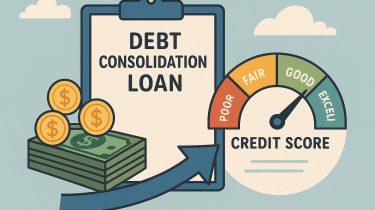
The Impact of Debt Consolidation Loans on Credit Scores
Debt consolidation loans serve as financial instruments designed to merge multiple debts into a single manageable loan. For individuals grappling with various loans or credit card balances, these loans present an opportunity to simplify repayment terms, potentially access lower interest rates, and lessen financial strain. However, a critical element in utilizing debt consolidation loans effectively is comprehending how they impact one’s credit score, which is pivotal for making astute financial choices.
Immediate Effects on Credit Scores
Upon securing a debt consolidation loan, borrowers might experience immediate changes in their credit score. Initially, the loan application prompts a hard inquiry on the borrower’s credit report. Hard inquiries help financial institutions assess an individual’s creditworthiness, but they can temporarily drop a credit score by a few points.
Additionally, the inception of a new credit account influences the average age of a person’s credit accounts. This aspect, recognized as the credit age, plays a role in the computation of credit scores. Adding a new account can decrease this average age, potentially having a short-term adverse impact on the credit score.
Potential Benefits of Debt Consolidation
Despite the possible initial detrimental effects, debt consolidation loans can yield positive impacts on credit scores over time. A salient benefit is the enhancement of the credit utilization ratio. By transferring high-interest credit card debt to a more manageable consolidation loan, borrowers might pay off underlying credit card balances, consequently diminishing the credit utilization rate. Credit utilization, indicative of sound credit management, is a crucial element in improving one’s credit score.
Moreover, consolidating multiple debts into a single payment decreases the likelihood of missed payments, which are pivotal in maintaining a favorable credit score. Punctual payment history is a significant determinant in credit score calculations, underscoring the importance of adhering to payment schedules.
Long-Term Considerations for Borrowers
To ensure a favorable long-term impact, it’s imperative for borrowers to manage the consolidation loan diligently. Consistently making on-time payments helps fortify a robust credit history and can incrementally elevate credit scores. Nonetheless, it is vital for borrowers to resist the urge to accumulate new debt. When credit lines from paid-off credit cards are freely available, the temptation to engage in additional spending can neutralize the consolidation’s advantages.
In addition to payment behavior, the terms of the consolidation loan, encompassing interest rates and the repayment period, significantly influence financial outcomes. Borrowers should aim for loans offering favorable terms to guarantee that the consolidation process bolsters their overall financial well-being.
Conclusion
Debt consolidation loans hold substantial potential as a debt management tool. Although they may precipitate a short-lived decline in credit scores, when utilized strategically, they offer a pathway to long-term improvement of credit scores through decreased credit utilization and regular payments. It is vital for individuals to consider the advantages and potential drawbacks meticulously and adapt their financial strategies to their unique circumstances. Seeking professional guidance from a financial advisor or engaging with recognized credit counseling services is advised for those seeking personalized advice.