How to reduce loan default risk.
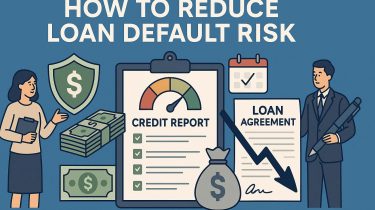
Understanding Loan Default Risk
Reducing loan default risk is an essential priority for financial institutions as it directly influences their profitability and long-term sustainability. Effective management of this risk requires adopting a range of strategic and operational measures tailored to minimize potential losses from borrowers who fail to meet their loan obligations.
Comprehensive Borrower Assessment
A key strategy for mitigating loan default risk involves conducting a detailed assessment of borrowers prior to issuing loans. Financial institutions must consider various aspects such as credit scores, income stability, debt-to-income ratios, and employment history. These elements provide crucial insights into a borrower’s financial behavior as well as their capacity to repay the loan in a timely manner.
Leveraging Credit Reporting
Credit reports act as a cornerstone in the borrower assessment process. They offer an extensive record of the borrower’s previous credit activities, enabling lenders to discern patterns that could signify a possibility of future default. Having access to such comprehensive information permits lenders to make informed, data-driven lending decisions, which significantly reduces the chances of default.
Loan Structuring
Appropriately structuring loans to match the borrower’s financial profile can also effectively decrease default risks. This process includes establishing realistic repayment schedules and exploring options such as variable interest rates, which can align repayment terms with the borrower’s evolving financial circumstances.
Customizing Repayment Plans
Providing borrowers with customized repayment plans can synchronize loan terms with their cash flows, thereby decreasing the risk of missed payments. Periodically reviewing these plans allows them to stay relevant to the borrower’s current financial conditions, offering a flexible yet structured approach to managing repayments.
Enhancing Risk Monitoring and Management
Continuously monitoring a borrower’s financial status is crucial for early detection of potential default signals. The adoption of advanced data analytics and risk management systems can aid in tracking changes in creditworthiness and supporting swift, proactive interventions.
Utilizing Predictive Analytics
Predictive analytics tools can process large volumes of data to estimate potential default risks. By evaluating a range of variables such as economic fluctuations and personal financial events, these tools can generate early warnings that enable lenders to implement preventive measures ahead of time, thus curbing the risk of loan default.
Building Strong Relationships with Borrowers
Developing robust communication channels with borrowers is vital in fostering mutual trust and ensuring transparency regarding financial challenges. Engaging proactively with borrowers who face financial distress can pave the way for restructuring arrangements that help prevent defaults from occurring.
Educating Borrowers
Empowering borrowers through the provision of financial literacy resources can significantly enhance their ability to manage personal finances, thereby reducing default risk. Educational initiatives can delve into topics such as budgeting, credit management, and the importance of punctual payment practices, equipping borrowers with the knowledge to navigate their financial responsibilities effectively.
Risk Diversification
Diversifying the loan portfolio by offering a variety of loan products to diverse customer segments enables lenders to spread risk effectively. Ensuring that defaults within a specific category do not disproportionately impact the institution’s overall portfolio is a crucial strategy.
Evaluating Market Conditions
Monitoring economic indicators and market trends is crucial for identifying potential high-risk sectors. Keeping abreast of these prevailing conditions allows lenders to make timely adjustments to lending criteria and strategies, which can significantly protect the financial institution’s interests.
Financial institutions aiming to deepen their understanding of risk management strategies may consider exploring resources from global organizations such as the World Bank or the International Monetary Fund. These organizations provide valuable research and data regarding global economic conditions and financial practices. By diligently implementing these comprehensive strategies and continuously refining their approaches, financial institutions can adeptly manage and mitigate the risk associated with loan defaults, ensuring sustained operational stability and profitability.