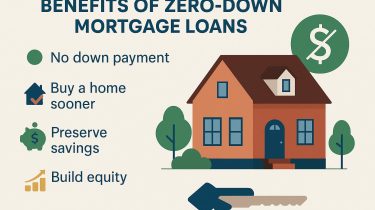
Benefits of zero-down mortgage loans.
Understanding Zero-Down Mortgage Loans
Zero-down mortgage loans provide an intriguing pathway for homebuyers, particularly those who are navigating significant financial constraints. These loans enable the purchase of a home without the traditional requirement to pay an upfront down payment, offering a departure from conventional financing methods. For individuals keen on real estate, yet hindered by initial cost requirements, zero-down mortgages present a potentially valuable opportunity.
Accessibility for First-Time Homebuyers
For budding real estate enthusiasts, particularly first-time homebuyers, saving up for a down payment can pose a substantial challenge. The need to accumulate tens of thousands of dollars often delays homeownership dreams. A zero-down mortgage effectively dismantles that barrier. By eradicating the necessity for an initial lump sum payment, first-time buyers are empowered to enter the real estate market much sooner. The removal of this financial hurdle is pivotal, as it allows individuals with limited savings to make significant steps toward owning property. They can forego years of saving and perhaps even leap into homeownership when market conditions are optimal, avoiding future property price hikes.
Preservation of Personal Savings
Another appealing aspect of zero-down mortgage loans is their potential to preserve the buyer’s personal savings. Without the requirement to allocate a down payment, funds remain available for unexpected expenses or strategic purposes post-purchase. Whether it’s to cover unforeseen emergencies, invest in property improvements, or purchase essential household items, maintaining an ample financial buffer is beneficial. The transition to homeownership can involve numerous unforeseen costs, and having sufficient savings can soften the landing. This preservation not only enhances financial security but also aligns with prudent personal finance strategies, relieving the new homeowner of undue financial stress during a pivotal life transition.
Potential for Investment Opportunities
Financial advisers often advocate for diversified investment portfolios. Purchasing a home typically requires committing substantial funds to a down payment, restricting other investment avenues. However, with zero-down mortgages, this capital remains accessible. Such flexibility ushers in potential for varied investment strategies, offering buyers a chance to grow their wealth while still pursuing real estate ownership. Whether through stock markets, bonds, or entrepreneurial ventures, the ability to invest saved funds could result in significant long-term financial health. This strategy leverages the principle of not putting all eggs in one basket, extending both financial stability and potential future profitability.
Leverage of Current Financial Conditions
Macro-economic conditions, particularly interest rates, significantly influence the appeal of zero-down mortgages. In climates characterized by low interest rates, leveraging such financing can yield strategic advantages. Potential homeowners can capitalize on favorable terms, securing real estate without an immediate cash outlay. This tactic aligns with financial optimization, using market conditions to mitigate upfront purchasing costs while locking in long-term property investments. Thus, in certain economic scenarios, zero-down mortgages become not only feasible but advantageous. Interested individuals may consider exploring more about prevailing economic conditions and mortgage dynamics through platforms like Reliable Mortgage Source.
Tax Deductions
Securing a home often opens avenues for various tax deductions, a seldom-discussed benefit of zero-down mortgages. From the onset of home purchase, homeowners can leverage deductions related to mortgage interest and property taxes, providing immediate fiscal relief. These deductions can offset other housing-related expenditures such as furnishing and moving costs. Essentially, owning a property under these terms enhances financial efficiency, reducing tax burdens shortly after entering homeownership. The journey from securing to settling into a new home involves numerous expenditures, and immediate tax benefits can ease this transition, aligning monthly obligations with enhanced fiscal balance.
Conclusion
In summary, zero-down mortgage loans extend far beyond mere fiscal relief; they symbolize accessible pathways to property ownership. The elimination of down payment requirements opens doors to a swath of individuals, particularly those facing savings constraints. Simultaneously, these loans encourage the preservation of personal savings and support investment diversification, enhancing overall wealth management. By synchronizing the leverage of favorable financial conditions and offering immediate tax benefits, zero-down mortgages present a compelling case for consideration among potential homebuyers. However, it’s essential to tailor financial choices according to individual circumstances. Prospective buyers should engage with experienced mortgage advisors to ensure their unique needs align with the opportunities zero-down mortgages present, thereby strategically positioning themselves within the dynamic housing market.