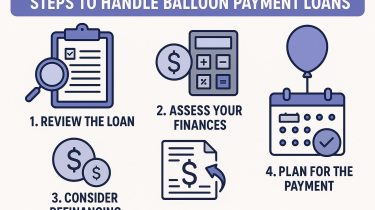
Steps to handle balloon payment loans.
Understanding Balloon Payment Loans
Balloon payment loans are a distinctive type of loan arrangement that plays a significant role in both the real estate and business finance sectors. They are defined by a payment structure in which the borrower makes regular or minimum payments over a specified period, culminating in a large, final payment, referred to as the “balloon payment,” upon the conclusion of the loan term. This financial instrument can be both advantageous and challenging, making a comprehensive understanding of its structure and implications essential for anyone considering or managing such a loan.
What Are Balloon Payment Loans?
To grasp the implications of balloon payment loans, one must first comprehend their design and purpose. Typically, these loans feature lower initial monthly payments, making them attractive for borrowers who anticipate significant income growth or asset appreciation over time. Unlike traditional amortizing loans, which distribute the debt evenly over the loan term, balloon loans allow for smaller initial payments, which can preserve cash flow for other investments or expenses. However, the pivotal characteristic of these loans is the substantial final payment that remains at the end of the term, which can pose a significant financial challenge if not properly planned for.
Analyzing Your Financial Situation
When contemplating or handling a balloon payment loan, a thorough financial analysis is paramount. This involves examining your savings, assessing your income stability, and identifying how much you can feasibly allocate toward the looming balloon payment. Creating a precise budget that integrates both your immediate cash flow needs and your long-term financial objectives is crucial. Through this process, you can gain clarity on your financial situation, allowing you to make informed decisions about managing the loan effectively. Incorporating a long-range perspective will help mitigate the stress associated with meeting the final payment requirement.
Exploring Refinancing Options
Refinancing stands as a viable strategy for managing the challenges posed by a balloon payment. Through refinancing, the borrower can replace the original loan with a new one, potentially benefiting from more favorable terms or lower interest rates. This option can effectively spread the burden of the balloon payment across a new loan term, thus easing immediate financial pressure. However, it’s essential to diligently compare the costs and terms of available refinancing options. Evaluating penalty clauses, fees associated with both the original and new loans, and the impact of interest rate changes are crucial to understanding whether refinancing is the best course of action.
Negotiating with Your Lender
Should refinancing not prove viable, engaging in discussions with your lender about restructuring the loan can be beneficial. Lenders may have policies or alternatives that allow them to extend the loan term or adjust the payment schedule, making it more manageable for borrowers. An in-depth understanding of your financial position is necessary when negotiating, as it equips you to present a compelling case for any proposed adjustments. Transparency and open communication with your lender can pave the way for mutually agreeable solutions that ensure both parties achieve their objectives.
Considering Selling the Asset
In certain situations, where the balloon payment becomes overwhelming, selling the asset associated with the loan might be a prudent choice. By doing so, you may manage to clear the debt entirely or significantly reduce your financial obligations without enduring further financial strain. It is essential to thoroughly research the asset’s market value and potential sale avenues, ensuring that the decision to sell aligns with your broader financial strategy. Adequate research and planning can prevent any hasty decisions that might otherwise compromise your financial stability.
Implementing a Savings Plan
A proactive approach to handling a balloon payment involves establishing a dedicated savings plan throughout the loan term. By consistently setting aside funds, you can effectively accumulate a reserve that offsets or entirely covers the final payment. This approach requires commitment, discipline, and regular adjustments to ensure that savings goals align with any changes in your financial landscape. Ultimately, a targeted savings plan acts as a safety net, reducing the potential financial impact of the balloon payment and adding to your overall financial resilience.
Seeking Professional Financial Advice
Consulting with a financial advisor can offer invaluable insights and strategies tailored to your unique circumstances. A qualified advisor can analyze the full spectrum of options available to you, offering guidance on market trends and financial products that might otherwise be overlooked. Their expertise can aid in developing a comprehensive plan to address the balloon payment effectively, thereby minimizing risk and enhancing financial security. Engaging with a financial professional ensures that you are well-informed and prepared to make decisions that serve your best interests.
Understanding the Consequences of Default
Awareness of the potential consequences associated with defaulting on a balloon payment is critical. Failing to meet your payment obligations can result in severe financial repercussions, including deterioration of your credit score and the initiation of legal proceedings by the lender. Understanding these risks enables you to take proactive measures to avoid default, thereby safeguarding your financial future. Recognizing the gravity of these consequences underscores the importance of strategic planning and informed decision-making throughout the loan term, ultimately ensuring a smoother financial journey.