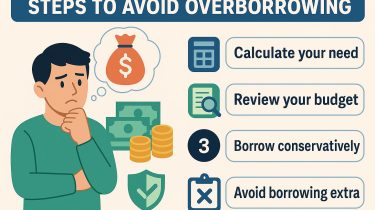
Steps to avoid overborrowing.
Understanding Overborrowing
Overborrowing occurs when an individual or entity takes on more debt than they can reasonably manage. This situation can lead to significant financial distress and, eventually, default on loans. Therefore, having a thorough understanding of the dangers associated with overborrowing is crucial in the initial steps to avoid falling into such a predicament.
Assess Your Financial Situation
Before committing to any additional debt, it is essential to gain a comprehensive understanding of your current financial situation. This involves a realistic evaluation of your earnings, existing obligations, and overall financial health. For starters, calculate your debt-to-income ratio. This ratio is a critical financial metric that compares your monthly debt obligations to your monthly income, serving as a useful indicator of how much debt you can manage comfortably. A higher ratio is typically a red flag, signaling a potential risk of overborrowing.
Consider Future Expenses
In addition to understanding your current financial stance, it’s important to anticipate potential future expenses. Future expenses may include costs such as medical bills, home repairs, or educational expenses. Planning for these contingencies helps ensure you don’t end up overextending yourself financially. Moreover, setting aside an emergency fund is advisable. This fund acts as a financial safety net, allowing you to cover unexpected expenses without resorting to taking on additional debt.
Create a Budget
Another crucial strategy in managing your finances prudently is to create and adhere to a well-structured budget. A budget acts as a financial roadmap, guiding you in allocating your resources effectively and reducing the temptation to rely on credit to meet your needs. To establish a functional budget, start by identifying your income sources and itemizing all necessary expenses. Allocate your funds appropriately across these categories. Importantly, ensure you include a dedicated category for debt repayment, indicating a solid commitment to reducing existing debt burdens.
Live Within Your Means
One of the fundamental principles of sound financial management is to live within your means. This entails ensuring that your expenses do not surpass your income. While this requires a level of discipline, it significantly reduces the necessity for additional borrowing. Consider minimizing discretionary spending and focusing primarily on fulfilling essential needs. By doing so, you foster a financial environment where your income can adequately meet your obligations without undue reliance on debt.
Understand the Implications of Interest Rates
Interest rates are a pivotal factor in the arena of borrowing. Even a seemingly small interest rate can lead to a substantial increase in the total amount of debt over time. Before committing to any loan or credit line, it is essential to have a thorough comprehension of the terms, specifically the interest rate. Understand how the specified rate will impact your overall payments. This knowledge equips you to make informed decisions regarding whether a particular borrowing option is truly beneficial for your financial situation.
Use Credit Wisely
Credit can be a valuable financial tool when used strategically. It should not be regarded as the primary means of covering financial shortfalls. When exploring credit options, prioritize those offering more favorable terms and be wary of those with higher interest rates. A practical approach is to limit credit card use to amounts you can comfortably pay off each month. By aligning your credit usage with your repayment capacity, you avoid accumulating unmanageable levels of debt.
Seek Professional Advice
For individuals facing uncertainty regarding their financial situation, seeking the guidance of a financial advisor can be beneficial. Financial advisors provide tailored insights that can assist in managing existing debt and planning for future financial needs. Professional advice can be particularly valuable in steering clear of the pitfalls associated with overborrowing, offering personalized strategies to enhance your financial well-being.
Conduct Regular Financial Reviews
Conducting regular financial reviews is a proactive measure to ensure early detection of potential financial issues. Routinely assess your budget to make necessary adjustments accommodating changes in income or expenses. Make it a habit to evaluate your debt levels regularly. This practice helps in identifying potential problems before they can escalate. By consistently monitoring your financial status, you maintain greater control over your monetary affairs.
For more detailed information on effectively managing debt, consider exploring financial education websites such as the Consumer Financial Protection Bureau or consulting with accredited financial counselors. These resources can provide valuable insights and guidance, enhancing your financial literacy and equipping you to make prudent financial decisions.