Steps to handle unexpected expenses with personal loans.
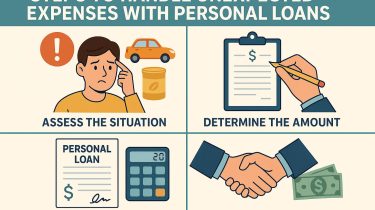
Understanding Unexpected Expenses
Unexpected expenses are an inevitable part of life. These costs can arise from various unforeseen situations such as medical emergencies, urgent car repairs, or sudden home maintenance issues. No matter how well one plans financially, these unexpected burdens can disrupt personal financial stability and introduce stress into what may otherwise be a smooth financial journey. Thus, it becomes imperative to develop strategies and methods to handle these situations efficiently, ensuring they do not severely impact one’s financial well-being.
Evaluate the Urgency and Impact
When faced with an unexpected expense, the first step is to evaluate how urgent and impactful the expense truly is. Take the time to assess the situation critically. Is the expense unavoidable or is there an opportunity to delay it without further repercussions? Understanding the necessity and timing of the expenditure is essential as it shapes the decisions needed to address the issue. This evaluation should also involve considering the broader implications and effects on your overall financial situation. Knowing the potential influence such an expense might have on monthly savings, investments, or looming financial commitments is critical. Through this holistic examination, you can determine if resorting to measures like securing a personal loan is indeed the most viable option.
Consider Alternative Solutions
Prior to deciding on taking out a personal loan, it’s prudent to explore alternative solutions that might alleviate immediate financial pressure. Start by examining your current finances closely to identify whether you can rearrange funds temporarily. For example, temporarily reducing discretionary spending can free up essential funds to deal with the unexpected expense. If you have emergency savings, now might be the time to use them. Additionally, some service providers may offer the possibility of negotiating a payment plan to spread out the financial burden over a longer period. Another avenue could be seeking assistance from community resources, which often provide temporary support during financial hardships. These options could potentially avert the need for taking on additional debt.
Research Personal Loan Options
If, after evaluating alternatives, a personal loan emerges as a necessary course of action, conducting thorough research on different loan options becomes imperative. Investigate various lenders including traditional banks, local credit unions, and online lenders to understand the diverse offerings in the market. Different lenders may vary significantly in their loan terms, interest rates, and repayment options. Some institutions specifically tailor their loan products for emergencies, presenting potentially advantageous choices in these scenarios. Additionally, trusted resources such as the Consumer Financial Protection Bureau offer guidance and information to help you identify reputable lenders and avoid predatory lending practices.
Understand Loan Terms
Understanding the terms of a potential personal loan is crucial before committing. Dive into the specifics of the interest rate, any associated fees, and the repayment schedule. Calculating the total cost of the loan, taking into account all factors that the lender may apply, will offer a clear picture of the financial commitment involved. Equally important is assessing whether the repayment amounts fit comfortably within your existing budget. Accurate knowledge of these terms not only helps in making an informed decision but also prevents unpleasant surprises after the loan is taken.
Apply for the Loan
Having identified a suitable lender, the next step involves preparing and submitting the loan application. This process often requires collecting documentation such as proof of income, identification, and detailed information about the expense requiring coverage. Be prepared for the fact that most lenders will conduct a credit check, so it’s advantageous to be aware of your credit score beforehand. Understanding these prerequisites facilitates a smoother application process and enhances the likelihood of loan approval.
Responsible Loan Management
Once the loan is secured, managing it responsibly becomes imperative. Keeping up with timely payments is key to avoiding late fees and preserving your credit score, which could be negatively impacted by any defaults or delinquencies. One way to ensure diligence in repayments is by setting up automatic payments from your bank account, thereby reducing the chance of missed due dates due to oversight or negligence.
Develop an Emergency Fund
Establishing an emergency fund is a proactive strategy to mitigate the reliance on personal loans for future unexpected expenses. Consistently setting aside a small percentage of your income, even if it feels insubstantial initially, can cumulatively grow into a significant cushion to cover several months’ worth of essential expenses. This financial buffer provides peace of mind, reducing stress when emergencies inevitably arise.
Financial Planning for Stability
Long-term financial stability often hinges on effective financial planning. Integrating key aspects such as budgeting, regular monitoring of expenses, and routine evaluation of financial goals into your lifestyle can significantly buffer the impact of unexpected expenses. It’s beneficial to educate oneself on financial management strategies continuously. Accessing credible resources and platforms like Investopedia can enhance your financial literacy, equipping you with the knowledge to face financial challenges with more confidence.
In conclusion, while unexpected expenses may initially seem daunting, adopting a structured and informed approach to handling them can mitigate their impact significantly. Whether through re-evaluating expenditure, opting for a well-considered personal loan, or strengthening financial resilience through savings and planning, managing unexpected expenses becomes a much more controlled and manageable process.