What is the purpose of disaster recovery loans?
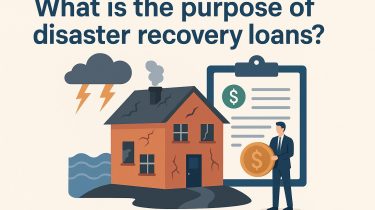
The Purpose of Disaster Recovery Loans
Following a natural disaster, communities encounter numerous challenges when it comes to rebuilding both their infrastructure and their economy. Disaster recovery loans are crucial financial instruments designed to support individuals, businesses, and governments in the aftermath of catastrophic events. Comprehending the purpose of these loans can highlight their significance in facilitating the recovery process.
Support for Individuals and Households
When a disaster occurs, it can leave individuals and families without homes, or severely impact their ability to go about their daily lives. Disaster recovery loans provide crucial support by offering financial assistance to help cover the costs of repairing or rebuilding homes that suffered damage. These loans can also assist in replacing essential items, such as furniture and appliances that were lost or damaged during the disaster.
Furthermore, they may offer a financial cushion for expenses not covered by insurance, allowing families to stabilize their situation more rapidly. This quicker recovery process facilitated by disaster recovery loans not only helps maintain the mental and physical well-being of affected individuals but also ensures that they can begin the journey of returning to their normal lives with less delay.
Assistance for Businesses
Disasters can lead to significant disruptions for businesses, be they small or large. These entities may face damage to physical premises, a loss of inventory, and interruptions to their operations. Disaster recovery loans provide businesses with the necessary financial resources to resume operations, offering funds to repair facilities, replace lost stock, or cover operational expenses while regular business activities are reestablished.
By minimizing downtime and economic loss, these loans play a critical role in maintaining local employment and economic activity. Businesses that manage to recover more rapidly from disasters contribute significantly to the economic stability of the wider community. The faster a business can get back to normal, the quicker it can begin to provide jobs and services again, emphasizing the role of these loans in the broader recovery context.
Government and Community Infrastructure
Apart from individual and business recovery, disaster recovery loans also assist local and federal governments in rebuilding community infrastructure. This includes essential repairs to roads, bridges, utilities, and other public amenities vital for day-to-day community life.
By restoring these essential services and facilities, disaster recovery loans help expedite the overall recovery process, ensuring that communities can return to a state of normalcy as quickly as possible. In essence, these loans reduce the long-term socio-economic impact of disasters, aiding in the creation of resilient infrastructures that can withstand future challenges more effectively.
Eligibility and Application Process
Understanding the eligibility and application process for disaster recovery loans is crucial for those seeking assistance. Typically, these loans have specific eligibility criteria, which might include factors such as the type and extent of the damage, the applicant’s creditworthiness, and the specific terms set out in the disaster declaration. Applying for such loans generally involves providing detailed documentation of the damage incurred and an estimation of the recovery costs.
Organizations responsible for administering these loans include government bodies, such as the Small Business Administration in the United States, or international entities that step in during global disasters. These bodies provide a structured framework to access the financial support available, ensuring that those who are most in need can access funds swiftly and efficiently.
It is advisable for potential applicants to seek detailed information and guidance from official government websites or organizations dedicated to disaster management. Such platforms typically offer comprehensive guidelines and assistance, helping individuals and entities navigate the complexities of securing disaster recovery loans.
Conclusion
To sum up, disaster recovery loans are indispensable tools in post-disaster scenarios. By offering financial assistance to individuals, businesses, and governments, these loans help mitigate the adverse effects of disasters and facilitate an effective recovery process. They play a crucial role in rebuilding lives and livelihoods, significantly contributing to the resilience and sustainability of communities worldwide. Through the availability of these financial resources, affected areas can rapidly recover and adapt to new circumstances, ultimately paving the way for a stronger, more prepared community for the future.