How to use small business microloans.
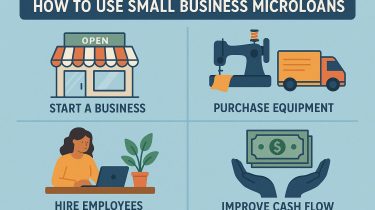
Understanding Small Business Microloans
Microloans serve as a critical financial resource tailored to both new and existing small businesses. Typically, these loans are accessible through various entities, including non-profit organizations, government agencies, and online lenders. The primary goal of offering microloans is to extend financial support to small businesses that might not otherwise meet the stringent requirements of traditional bank loans. By doing so, these loans foster business growth, community development, and entrepreneurial spirit.
Eligibility for Microloans
Unlike conventional bank loans, which have rigid qualification criteria, microloans present a more flexible approach to eligibility. However, aspiring recipients must still satisfy certain conditions. Among the critical factors considered during the eligibility assessment are:
Business Plan: A business plan functions as a roadmap for potential growth and is a crucial requirement from lenders. This document needs to precisely outline the business’s financial strategy, objectives, and projected outcomes.
Personal Credit Score: Even though microloans offer leniency on credit requirements, your personal credit score remains an important indicator of financial responsibility and is taken into account during the evaluation.
Use of Funds: Clarity on how the loan will be utilized is often requested. Whether it’s for purchasing inventory, marketing efforts, or operational expansion, transparency in fund allocation is vital.
If uncertainties about eligibility arise, engaging directly with the prospective lender or visiting their website is advisable for comprehensive guidance tailored to specific microloan programs.
Types of Microloans Available
Microloans are diverse, catering to the varied needs of small businesses. Here are some of the prevalent microloan types:
SBA Microloans: Administered by the U.S. Small Business Administration, these loans can be allocated for working capital, purchasing inventory, or acquiring equipment, making them a versatile choice for businesses.
Non-Profit Microloans: Offered by various non-profit organizations, these microloans aim to promote entrepreneurship and community development through low-interest options.
Peer-to-Peer Lending: This modern lending method involves individuals offering loans to small businesses via online platforms. These loans often come with competitive interest rates, which can be highly attractive for borrowers seeking better terms.
For more detailed insights into specific microloan programs, consider visiting the SBA Microloan Program.
How to Apply for a Microloan
Applying for a microloan demands a level of preparation and meticulous organization from business owners. The general process encompasses the following steps:
1. Research Lenders: Conduct a detailed investigation to identify organizations or online platforms that offer microloans aligning with your business’s unique needs.
2. Prepare Documentation: Collect all necessary documentation, including business licenses, financial statements, tax returns, and any other required legal documents to substantiate your application.
3. Submit Application: Accurately complete the application form and ensure all required documentation is included. Double-check the completeness and accuracy of the information to avoid delays.
4. Await Decision: Following the submission, the lender conducts a thorough review, which may take several weeks. Patience and periodic follow-ups can be beneficial during this waiting period.
Understanding potential outcomes and preparing for them can significantly enhance the chances of loan approval.
Benefits and Limitations of Microloans
Microloans offer a range of advantages that make them appealing to small business owners. For businesses lacking extensive credit history, they provide an easier access point. Additionally, microloans can encourage community-centered enterprises by nurturing local entrepreneurship and development.
However, there are certain limitations to keep in mind. Typically, microloans issue smaller sums of money compared to traditional loans. Interest rates on microloans might be higher, reflecting the higher risk perceived by lenders.
It’s essential for business owners to meticulously review the terms and conditions associated with each microloan option. This due diligence ensures that the loan terms align with the business’s financial strategy and capacity to repay.
Conclusion
In conclusion, microloans emerge as a promising financial solution for small businesses striving for growth. These loans present unique opportunities for businesses that are either ready to expand or just starting, especially those that might find the credentials required by traditional financial institutions challenging. Understanding the specific requirements of your business, proactively researching potential lenders, and preparing rigorously for the application process are critical steps in leveraging microloans effectively. By engaging with this financial tool judiciously, small business owners can navigate the landscape of financing with greater confidence and strategic foresight.