The differences between FHA and conventional loans.
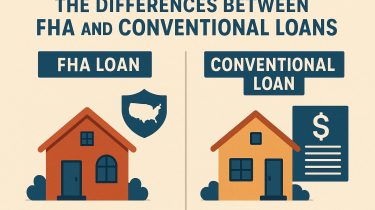
The Basics of FHA and Conventional Loans
When it comes to financing a home purchase, two popular options are FHA loans and conventional loans. Understanding the distinctions between these two loan types can be crucial for prospective homeowners. In this expanded article, we will delve deeper into each loan type’s nuances, characteristics, and factors that might influence your choice.
FHA Loans
The Federal Housing Administration (FHA) offers a specific type of home loan insured by the government. These loans are designed to support first-time homebuyers or those with lower credit scores, making it easier for them to qualify for a mortgage.
Key Characteristics of FHA Loans:
- Down Payment: FHA loans typically require a down payment of as low as 3.5% of the purchase price. This low requirement makes FHA loans particularly attractive to first-time homebuyers or those with limited savings. Low down payment requirements allow borrowers to get into a home sooner rather than later.
- Credit Score: Borrowers may qualify with a credit score as low as 580. Some lenders accept scores as low as 500 with a higher down payment (often 10%). This leniency opens the door for individuals who might be in the process of rebuilding their credit or those without an extensive credit history.
- Mortgage Insurance: FHA loans require mortgage insurance premiums both upfront and annually, regardless of down payment amount. The mortgage insurance on FHA loans is meant to protect lenders against potential defaults, which is why it is mandatory. FHA loans involve two mortgage insurance premiums: an upfront premium (UFMIP) paid when you get the loan and an Annual Mortgage Insurance Premium (AMIP) that is included in your monthly payments.
FHA loans are attractive for those who may not have the ideal credit profile or a substantial down payment saved. However, borrowers should weigh the benefits of low down payments and lower credit score requirements against the ongoing cost of mortgage insurance.
For more information, check out this HUD resource on FHA loans.
Conventional Loans
Conventional loans, in contrast, are not insured by any government body. These loans are typically provided by private lenders such as banks or credit unions and follow guidelines set by organizations like Fannie Mae or Freddie Mac.
Key Characteristics of Conventional Loans:
- Down Payment: Conventional loans might require a higher down payment, typically around 5-20% depending on various factors. A larger down payment can translate into lower monthly payments and reduced mortgage insurance costs. For conventional loans, a 20% down payment typically eliminates the need for Private Mortgage Insurance (PMI).
- Credit Score: Lenders usually prefer higher credit scores, commonly requiring a minimum score of 620 or higher. A stronger credit profile can mean better interest rates and a broader selection of loan products, making conventional loans appealing for financially stable borrowers.
- Mortgage Insurance: Private mortgage insurance (PMI) is required if the down payment is less than 20%. However, PMI can be canceled once sufficient equity is built. This contrasts with FHA loans, where mortgage insurance premiums are generally for the life of the loan unless refinanced under different terms.
Conventional loans are often ideal for borrowers with strong credit profiles and the ability to make larger down payments. They offer flexibility and often result in lower long-term costs if you qualify for competitive rates and a variety of loan terms.
You might find additional details about conventional loans through resources like Consumer Financial Protection Bureau.
Comparing Costs and Flexibility
One significant distinction between FHA and conventional loans lies in their cost structures. FHA loans often come with higher overall mortgage insurance costs compared to conventional loans, especially if the borrower has good credit. The mandatory insurance premiums with FHA loans can add to the total mortgage cost over time.
On the other hand, conventional loans provide more flexibility in terms of loan terms and options. Interest rates with conventional loans may also be variable, with some lenders offering adjustable-rate mortgages (ARMs) in addition to fixed-rate options. Borrowers capable of eliminating PMI after reaching a certain level of equity in their homes can also reduce long-term expenses.
Choosing the Right Loan
Selecting between an FHA and conventional loan largely depends on your unique financial situation, credit score, and how much you have saved for a down payment. Here are a few considerations:
- Financial Stability: If you have a stable income, a good credit history, and the ability to make a larger down payment, a conventional loan might offer more long-term savings.
- Immediate Affordability: If obtaining a home sooner rather than later is your priority, and you need a lower down payment option, an FHA loan might be the best choice.
- Credit Score: Lower credit scores might make an FHA loan more accessible, but improving your credit could eventually lead to refinancing opportunities with a conventional loan.
Ultimately, the right financing choice requires careful evaluation of both current financial capabilities and future financial goals. Consulting with a mortgage advisor can also be exceedingly beneficial. They can provide personalized guidance based on your circumstances and help you navigate the complex process of home financing.
By understanding the fundamental differences and benefits of FHA and conventional loans, borrowers not only increase their lender appeal but also enhance their potential for securing a favorable mortgage that aligns with their homeownership dreams.